One of the most rewarding shrubs in the landscape is the Hydrangea. In this post, I share my experience with a traditional hydrangea in my landscape that turned blue. I will explore the five different types of Hydrangeas in my home garden.
The Hydrangea
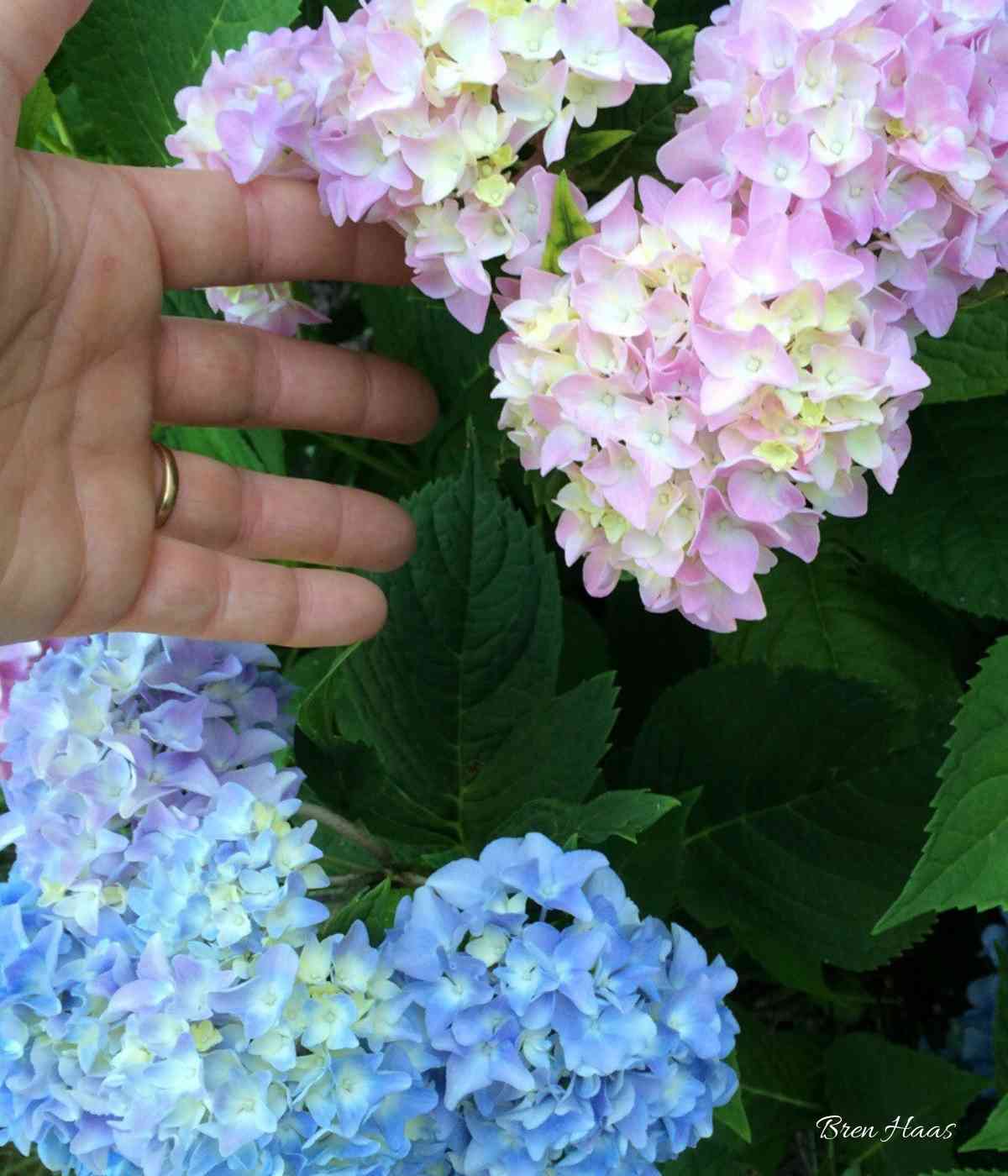
Over the years I have collected a few dozen different Hydrangea shrubs. To be honest with you, some have survived and many have not. The most amazing thing happened: Pink Blooms turned Blue as featured in the above image. There are a few ways you can change the soil PH to get this to occur on a few varieties of Hydrangeas but not all.
Five Types of Hydrangeas
Bigleaf Hydrangeas | Hydrangea macrophylla French hydrangeas, florist’s hydrangeas and or hortensia are common types of this ‘Bigleaf Hydrangeas’. There are 3 different types of hydrangea macrophylla; mophead, lacecap and mountain hydrangeas.
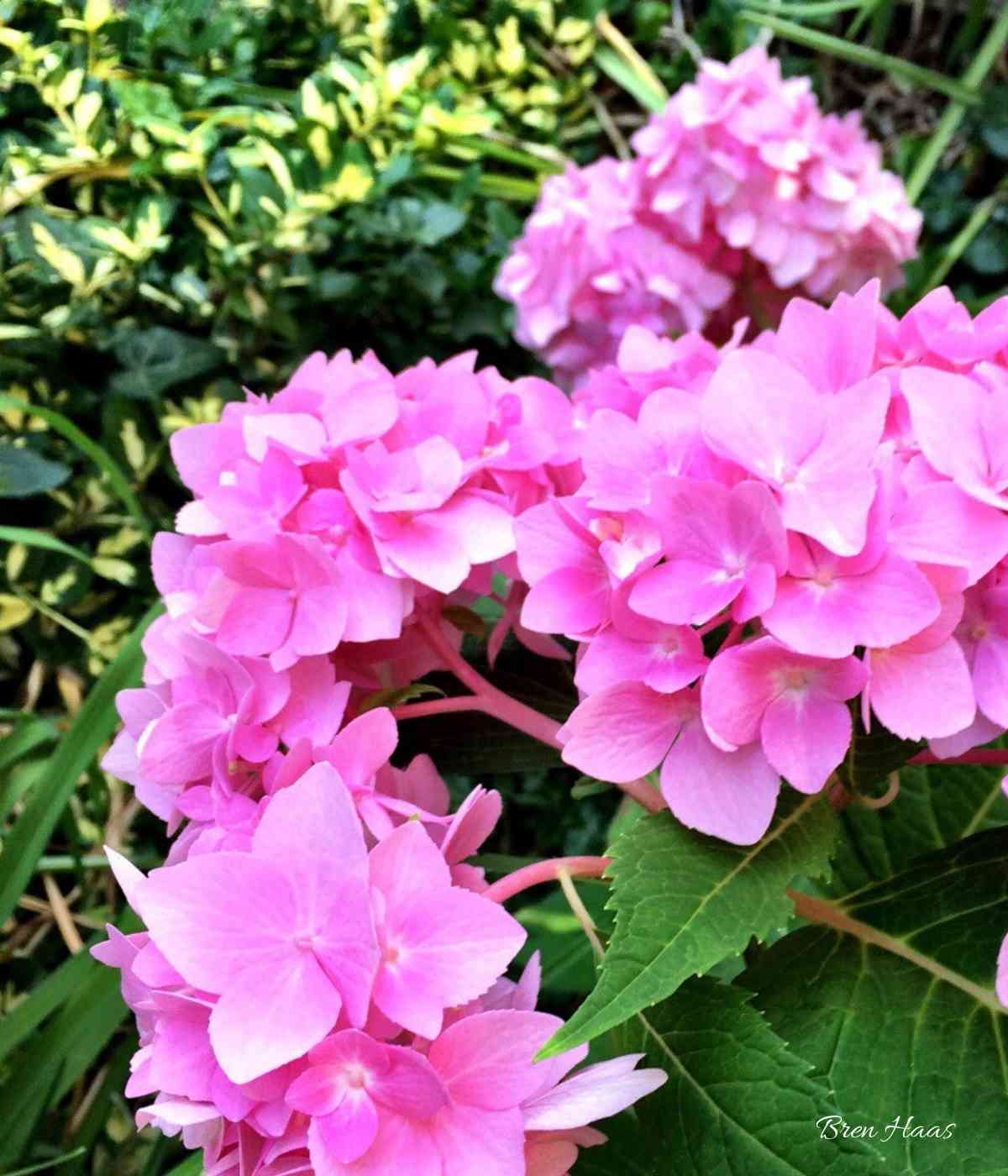
- Panicle hydrangeas | Hydrangea Panicle hydrangeas are known for their cone-shaped flower heads and are the only varieties that can form a tree shape. These are large blooms typically start white and may turn to pink. One of my first paniculata varieties to grow was the Pinky Winky from Proven Winners.
- Smooth Hydrangeas | Hydrangea arborescens native to the USA and sometimes called wild hydrangeas. This variety can take drought and heat in zones 4-7. A good way to id these arborescens is the heart-shaped, thin, and floppier than the mopheads (macrophylla). Examples of smooth hydrangea are the Proven Winners Invincibelle® series, Incrediball®
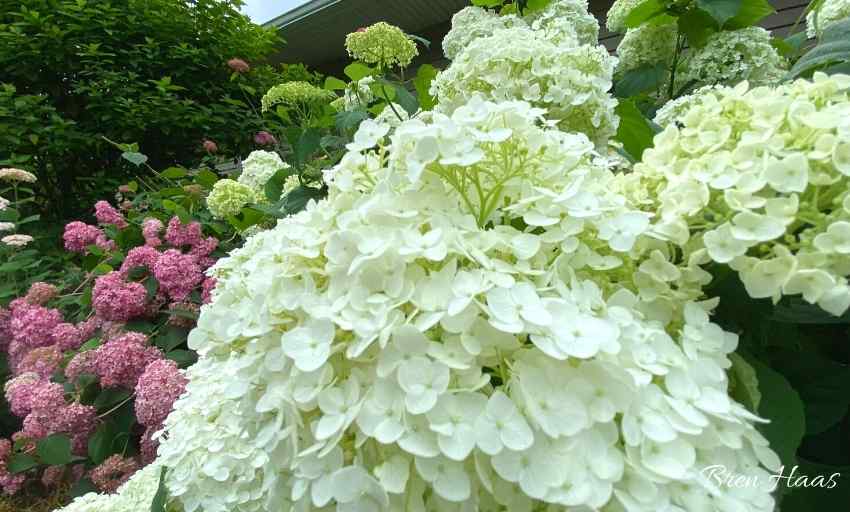
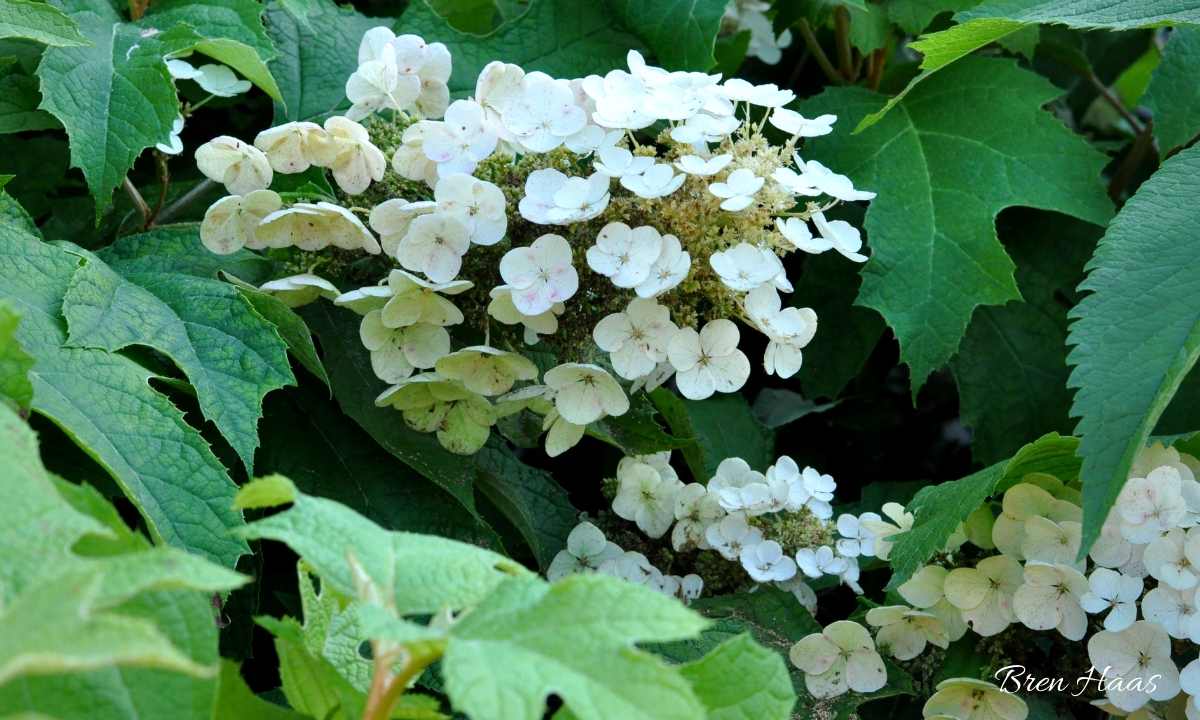
- Oakleaf Hydrangeas | Hydrangea quercifolia Leaves are shaped much like those of an oak tree. The foliage and blooms are known for year-round color interest. The color will change from orange to red to burgundy. The image below is my oakleaf hydrangea in the early spring.
Climbing Hydrangeas | Hydrangea petiolaris is a variety I would love to learn more about as the years go on. I have one that grows facing the west that gets early morning sunshine. This Hydrangea petiolaris, can grow 30 to 80 feet long so maybe I need to find a better trellis for the plant to encourage it to climb.
Let’s Connect
Have you ever attempted to create blue hydrangea blooms? This occurance is one of the many reasons it is important to note what type of hydrangea you are growing. Once you know the variety you can decide how best to grow it. Please share with me your thoughts on my post today because I would love to connect with you.
Happy Gardening,