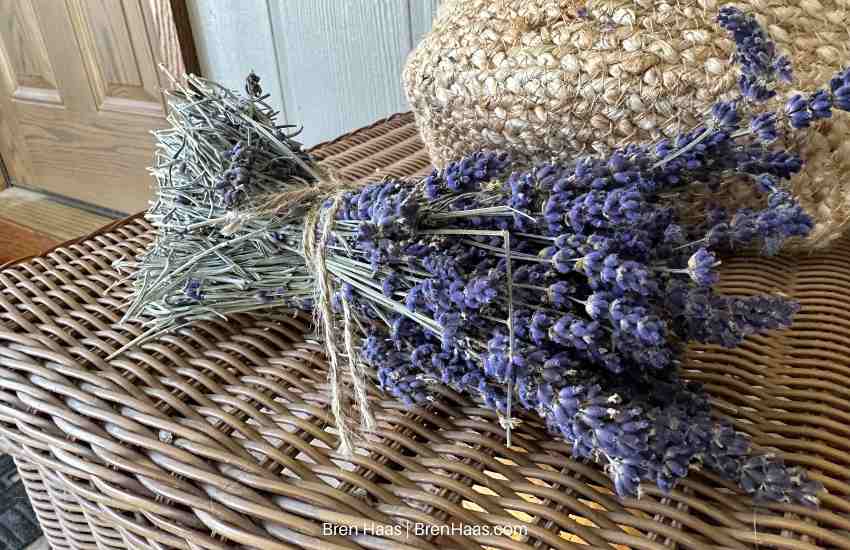
lavender after winter drying
Blue Lavender After Drying Over Winter

Over the past two decades, I have developed a few favorite varieties of lavender that thrive in my hardiness zone. This year, I’m going to attempt to start my own lavender from seed. In today’s blog post, I will provide a quick demonstration of how I began two varieties of lavender from seed. You’ll find a video and images that showcase the step-by-step process I followed to germinate the seeds. I look forward to sharing more updates about the lavender’s growth on my website, so be sure to bookmark this site to follow my journey.

Growing Lavender from Seed | Germination Process

In recent weeks, I have watched several videos from home gardeners demonstrating how they grow lavender from seed. I’m excited to try this in my own home garden! Below is a video that highlights the straightforward steps to successfully germinate the seeds. The main takeaway from each grower I learned from was to be patient! It may take a few weeks after applying the refrigerator method I’ll describe below, but with new seeds that have been stored properly, you will be rewarded with germination. Here’s the video

The video is part of my Bren Haas YouTube Channel. If you have any issues viewing the content, please feel free to reach out to me using the provided space.

Growing Lavender from Seed | Germination Steps

It’s crucial to follow a few basic steps to ensure the lavender seeds germinate, regardless of the varieties you’re growing. Below are images and simple steps to follow:

Growing Lavender From Seed
Start By Germination of the New Lavender Seeds
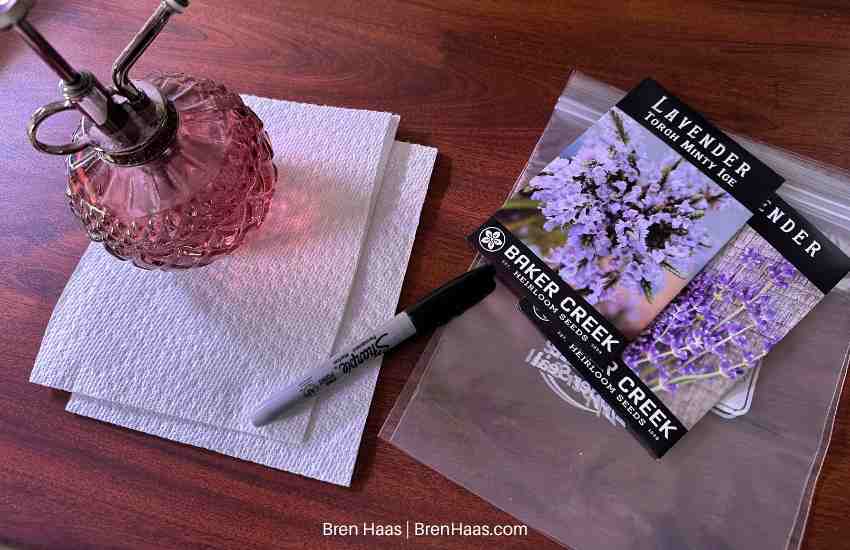
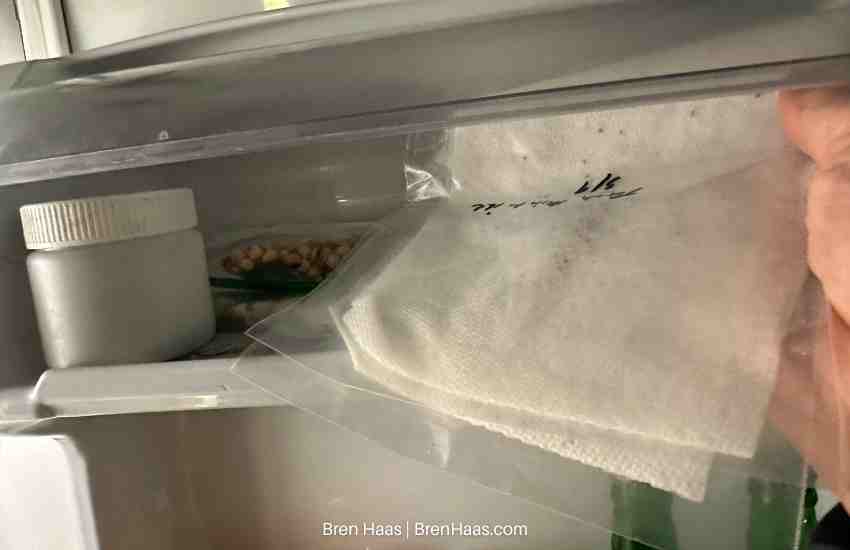
  • Use a plastic storage bag that seals, and label the outside with the seed variety and date.
  • Moisten a paper towel before placing the fresh seeds on it. Ensure there is no excess water dripping from the paper.
  • Cover the seeds with another damp paper towel before placing it into the zip lock bag.
  • Store the sealed bag in the refrigerator for about 30-40 days.
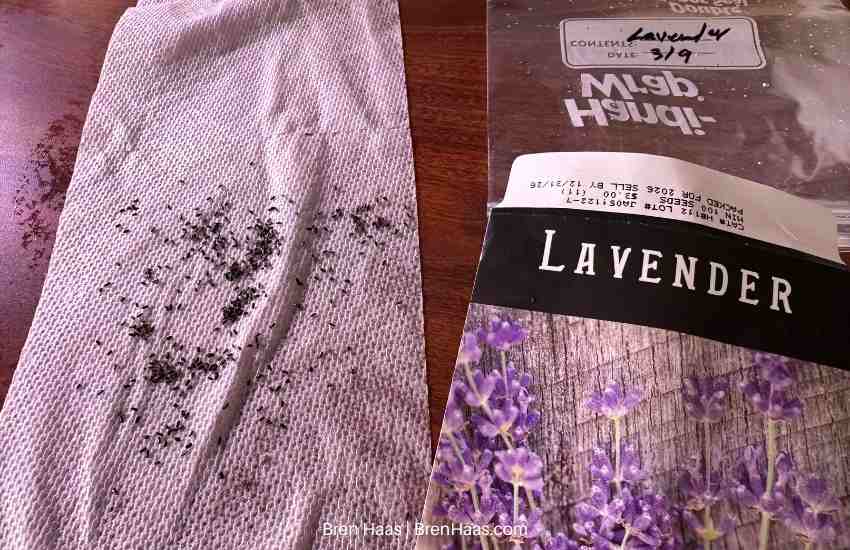
Use New Seeds for Starting Lavender
Be Sure to Use New Seeds For Starting Germination of Lavender
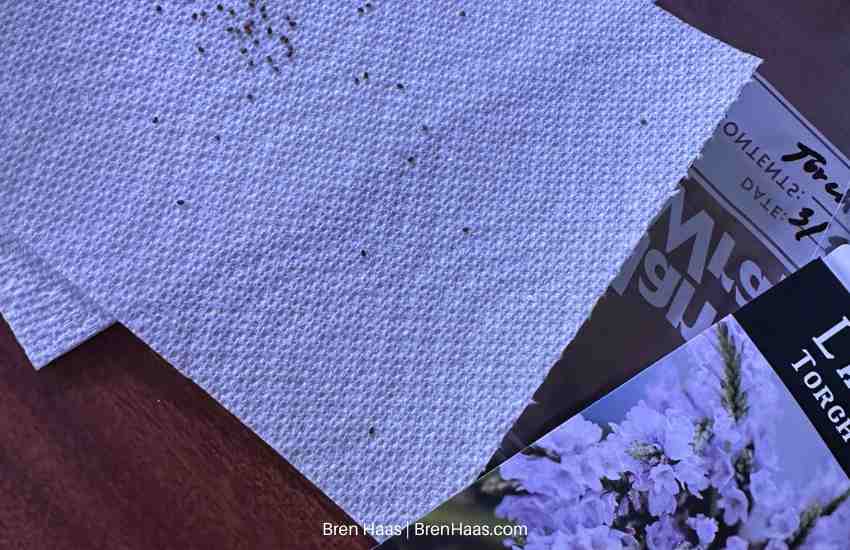
Lavender Seeds on Wet Towel to Start Germination
Moisten the Towel Where the New Lavender Seeds Are Spread Evenly
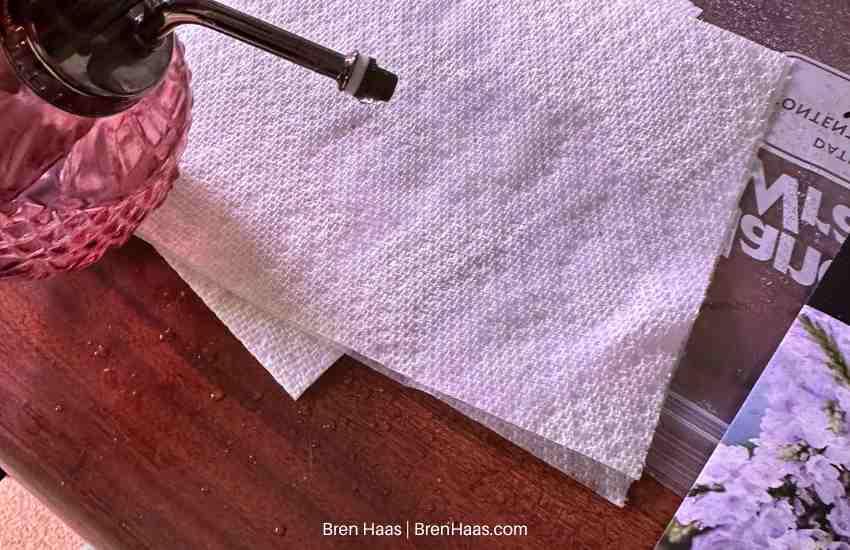
Lavender Seed Germination
Use a Sprayer To Wet The Paper Towel For Lavender Seed Germination
Place Lavender Seeds in the Refrigerator
Place Moist Seeds in Seal Bag for Up to 40 Days

About the Lavender from Seed

In this post, I’ve shared two varieties I found in the Rare Seeds Catalog online. I made sure to read all the reviews for these seeds, and I have always had great success with this brand’s stock. Below are the two varieties I am growing, along with some facts about each seed.

Torch Mint Ice Lavender

This stunning, aromatic ornamental plant hails from the Mediterranean and is also known as fern leaf lavender. Its beautifully incised, silvery foliage makes the bold purple flower spikes truly stand out! It blooms from summer to frost, and the plants can reach 24 inches tall and wide. This variety is a perennial in zones 7-10, so I plan to grow it in a container in my dome greenhouse.

Munstead Lavender Seed From Dome Video
Growing From Local Varieties

Lavender

Renowned for its delightful fragrance, the lavender-colored blossoms are commonly used in potpourris, soaps, and much more. This heirloom plant is perfect for pollinator gardens, borders, and containers. This variety is a perennial in my hardiness zone 6, so I will likely plant it in a sunny, protected area of the garden.

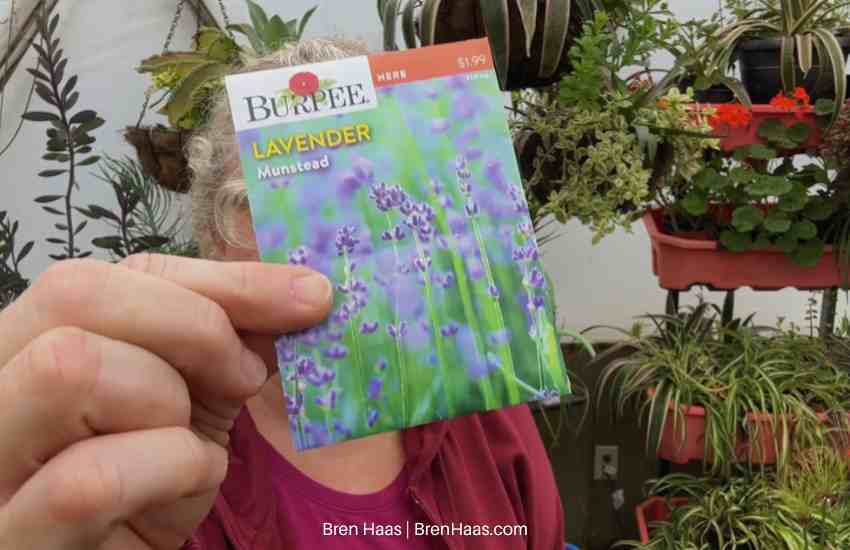
Munstead Lavender

This variety is an oldie but goodie being introduced back in 1916.  It is popular today for its compact habit and short stature making it perfect for edging and borders.  Be very careful to make sure the soil is well drained because it will not survive in wet soil.

English Lavender

English Lavender showcases the classic dark purple hue, characterized by long stalks adorned with delicate clusters of tiny flowers. These clusters beautifully crown the top, wand-like portion of the plant. In contrast, French Lavender features blooms that exhibit a softer pink-purple shade, distinguishing it from the deeper purple of English Lavender. It thrives in well-drained soil and full sun, making it a popular choice for gardens and landscapes. Beyond its visual appeal, English Lavender is renowned for its soothing fragrance, which is often used in aromatherapy and the production of essential oils. The plant is also a favorite among pollinators, attracting bees and butterflies. Additionally, English Lavender is known for its culinary uses, adding a unique flavor to dishes and baked goods. Its drought tolerance and resilience make it an ideal plant for low-maintenance gardens.

 Let’s Connect

I am eager to share more about my experience growing lavender from seed, so be sure to bookmark this site to follow my adventure. Do you grow lavender? Perhaps you have grown it from seed and would like to share some tips or your favorite varieties. Please connect with me on my website!

Happy Gardening,

Bren Haas Website

Leave a Reply

Your email address will not be published. Required fields are marked *

Healthy Holiday Season
Author and Media Creator
Oliver and the Vegetables in the Dome
Join Me and Oliver in The Garden
raised bed with greenhouse
Edible Gardening Ideas
dome garden in winter woods
Growing Year-Round in Ohio

More Topics 

Dahlia Pink in Full Bloom
Everything Dahlia

All content and photographs are copyright protected. Using content including but not limited to photos, posts and text without written permission is prohibited. Pinning or sharing on social media is encouraged but please ask permission before using any content from my blog for any other reason. © 2007-2025  BrenHaas.com All Rights Reserved.

This website uses cookies to ensure you get the best experience during your visit.