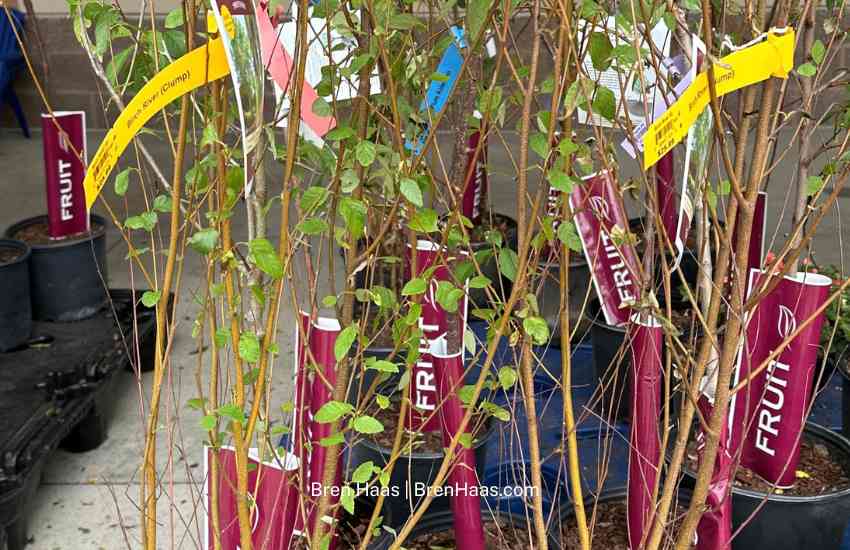

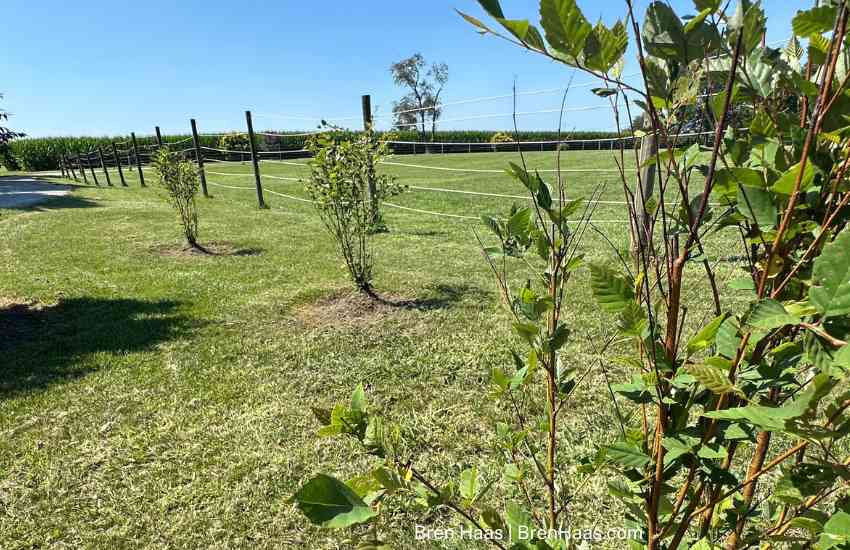
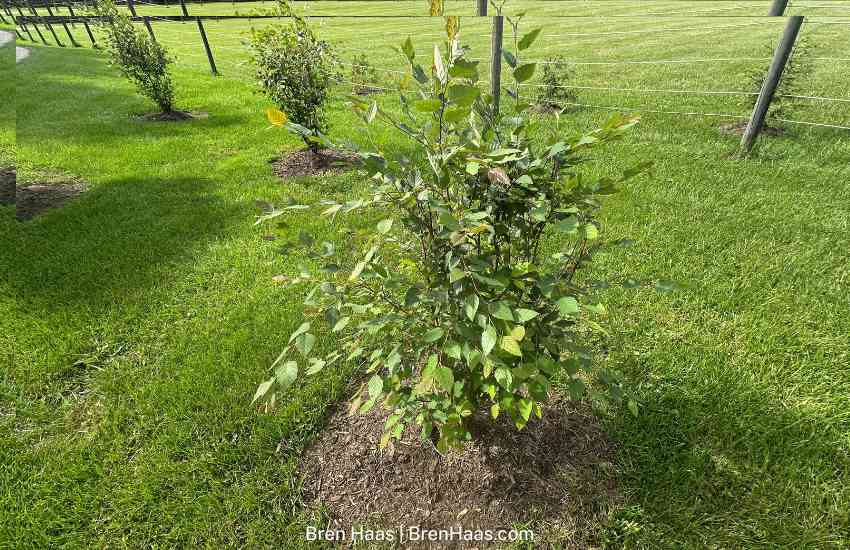
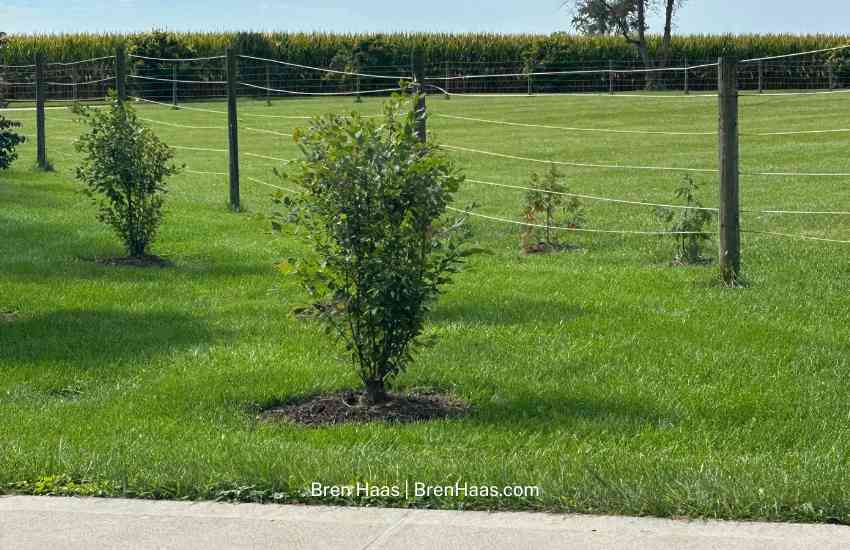
I am thrilled to have begun cultivating my own Birch trees in the wet area of the new landscape. Watching these trees thrive in this space is going to be an enjoyable experience. You can find videos, images, and my personal recommendations about this tree on my website.
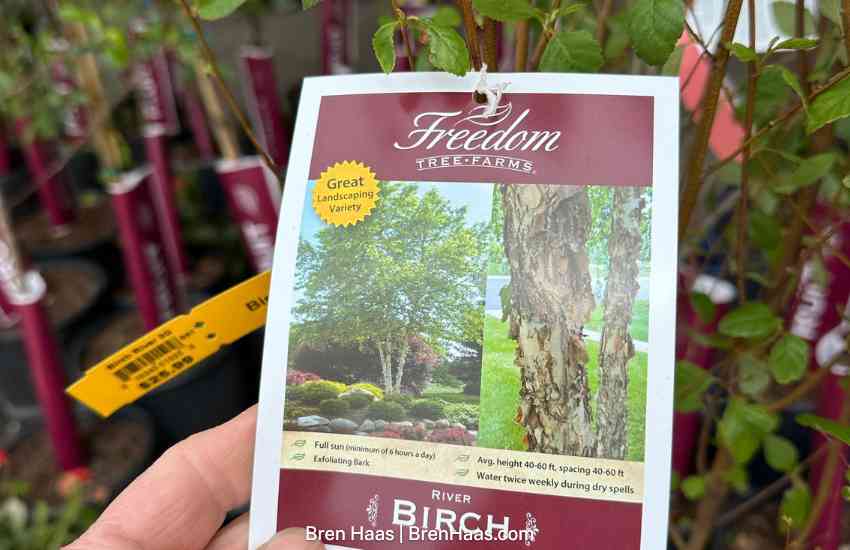
I found my River Birch Trees at Kroger in Ohio. Over the years I have purchased and grown successfully trees from the ‘Freedom Tree Farm’ brand that Kroger Food Store carries in the spring and summer.
About the River Birch
Here is my short video I put together featuring the River Birch Trees I found locally. As you can see in this video I am thrilled to have my own and to watch them grow over the years. This tree has been one of my favorites for a few years.
The video is found on my Bren Haas YouTube Channel. If you have issues view or any other feedback feel free to comment in the space provided.
Growing River Birch in Northwest Ohio
River birch can be a wonderful fit for Northwest Ohio, where cold winters, humid summers, and variable clay or wet soils are part of the gardening challenge. Give it full sun to light shade and consistent moisture. It tolerates damp soil well, but good air circulation and steady care still matter.
During establishment, water deeply whenever the soil begins to dry, especially during hot or rainless stretches. A layer of mulch over the root zone can help hold moisture; keep it a little away from the trunk to protect the bark.
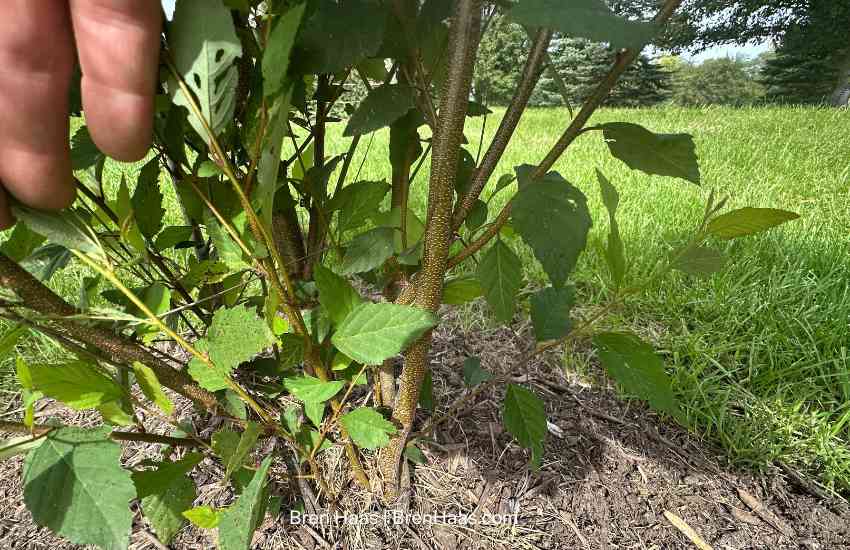
Plan for a mature tree with plenty of room to spread. River birch naturally develops a graceful multi-trunk form, and its attractive peeling bark adds interest through the seasons. In a few years I will shape or prune the lower branches as needed. For now the bushy appearance will help with the deer population we have in this area. The multiple branches will help prevent large bucks from rubbing antlers on the tree while they are young.
For maintenance, remove dead, damaged, or crossing branches as needed and watch the leaves and bark for signs of stress. Healthy, well-watered trees are generally less likely to attract pest problems, making moisture management one of the best ways to support this beautiful tree. Additionally, consider applying a balanced fertilizer in early spring to encourage robust growth. It’s important to monitor the soil pH, as river birches prefer slightly acidic conditions. If necessary, soil amendments can help maintain the ideal environment for these trees. This space has years of horse manure run off so the soil is perfect as is. In the future I may add additional fertilizer but I don’t think it will be needed. These trees do well in most any harsh soil conditions.
With their distinctive cinnamon-colored bark and lush, green foliage that turns a striking yellow in the fall, river birches not only enhance the aesthetic appeal of your garden but also contribute to the local ecosystem by providing habitat and food for a variety of wildlife. As they mature, these trees can become the focal point of your landscape, offering shade and natural beauty for years to come.
Let’s Connect
Happy Gardening,