grown from seed peppers and tomatoes
Handful of Grown From Seed Favorites

Over the years, I’ve discovered that initiating seeds indoors can be both enjoyable and educational. It wasn’t always this way for me, but I’ve learned a great deal. Today, there are numerous methods for starting seeds indoors, accompanied by a wide variety of seed options. Throughout my experience, I’ve identified ten specific seeds that stand out as particularly easy to germinate and grow indoors, thanks to products designed for home gardeners. In this post, I will share my top ten seeds that I start indoors, all at a low cost with guaranteed success.

My Top 10 Easy-to-Germinate Seeds 

containers or cell trays for seed starting easy
Seed Starting is Rewarding and Easy To Accomplish Year-Round

For seasoned gardeners, most seeds can be easily germinated and cultivated indoors. However, for those just starting out, here are 10 seeds that are not only simple to germinate and find locally but also easy to get a head start indoors.

Cucumbers

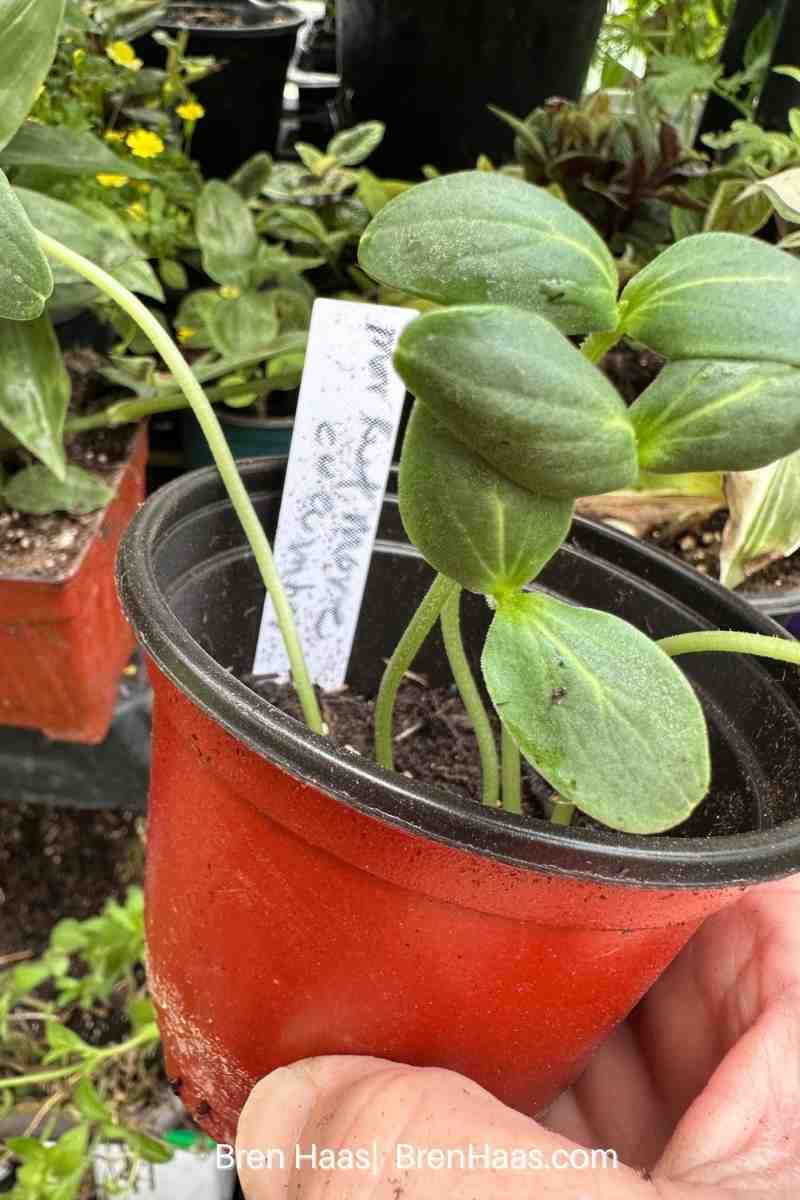
cucumbers grown in container with a dome lid
Cucumbers Ready To Go Out in the Garden

Absolutely one of the easiest seeds to germinate direct sow right in the garden but I like starting the cucumber seeds indoors late spring.  There are many varieties I LOVE for pickling but mostly eating fresh.  I start these in containers about 4 weeks before last frost in my dome where it is a cozy 75*F during the day and night time lows around 55*F.  Highly recommended for those new to growing from seed because it is a ‘no fail’ grower in my book!

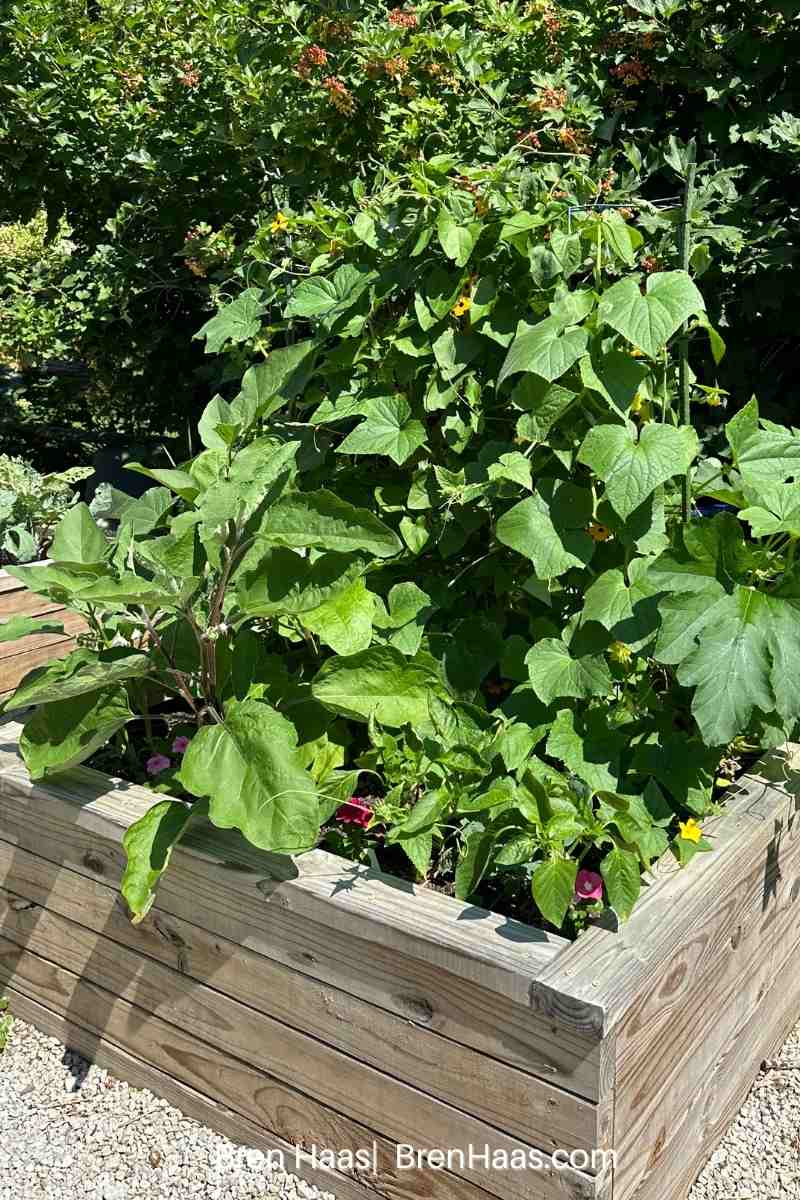
Raised Bed Loaded with Cucumbers and other plants from seed
Raised Bed Loaded with Cucumbers and Others From Seed

Tomatoes

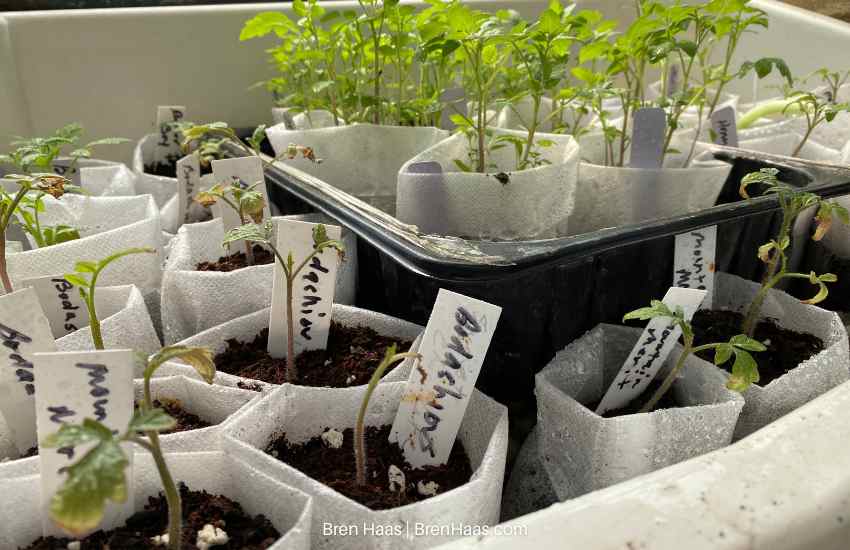
seeds started in grow bags indoors
Tomatoes are Super Easy To Grow in The Cloth Bags

Tomato seeds are among the simplest and quickest seeds to germinate. They thrive best in warmer conditions, so it’s advisable to place a heat mat beneath your seed trays. Typically, tomato seeds take about 3 to 14 days to germinate. Begin your tomato seeds indoors 6 to 8 weeks prior to the expected date of the last spring frost in your region. While I have experimented with the paper towel germination method for tomatoes in the past, I find that they are so easy to start that it is unnecessary.

Hot Peppers

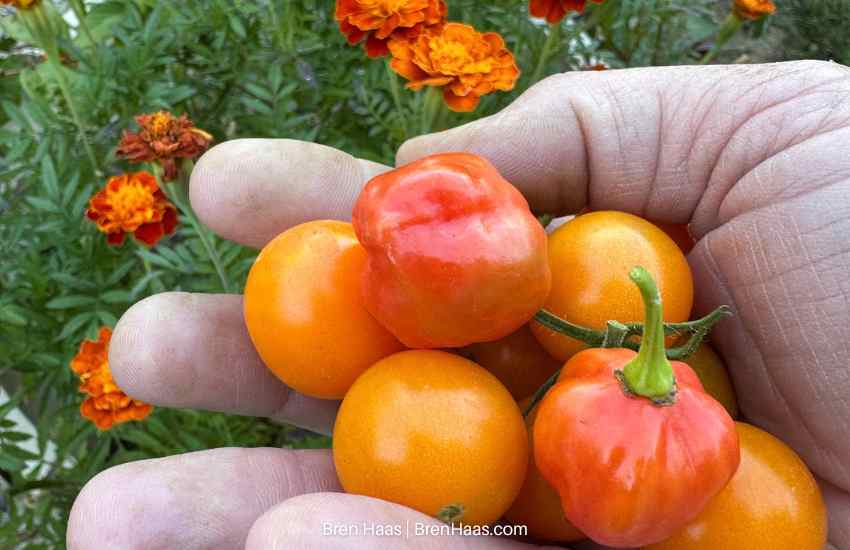
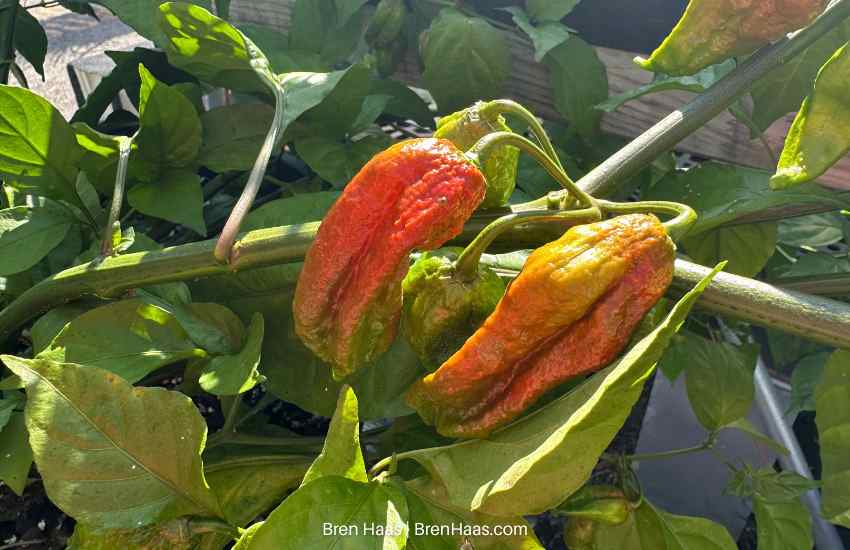
hot pepper grown from seed
Hot Pepper Grown From Seed

The oil from the “super hot” varieties that lingers on pepper seeds is known as capsicum, which can irritate your skin. Therefore, it’s advisable to wear gloves when handling these seeds. The typical germination period ranges from 10 to 14 days, but many super hot varieties may take up to 2 months, especially if the soil temperature is not sufficiently warm. I start my hot peppers on a heat mat that raises the soil temperature to 90°F.

Peppers

Every year, I delight in cultivating over half a dozen new varieties of mild to medium peppers. When starting peppers in shallow containers, plant the seeds 1/4 inch deep. Key considerations for successful growth include using a heat mat (maintaining temperatures between 80°F and 90°F) for quicker germination, keeping the soil consistently moist with a humidity dome, and ensuring 12 to 16 hours of strong grow light exposure once they sprout.

Lettuce
For growing lettuce, it’s most effective to sow the seeds directly on the soil surface, as they generally germinate within 7 to 10 days. To maintain a steady harvest, make sure to sow seeds every two weeks. I usually start my lettuce in containers inside the greenhouse, where the temperature stays around 50°F for 3 to 4 weeks leading up to the last frost. Once they’re ready, I place the containers in a shaded area of my garden or deck.

Broccoli
Broccoli seeds germinate rapidly indoors, about 8 to 10 weeks before the last frost date. Plant one seed in each cell container, about ½ inch deep. A light layer of vermiculite on top will help deter pests and manage moisture levels. When the starter plant reaches around 4 inches tall, I move it to my dome greenhouse in early spring. Broccoli tastes best when harvested in cooler seasons, so be sure to plan for autumn planting as well.

Basil

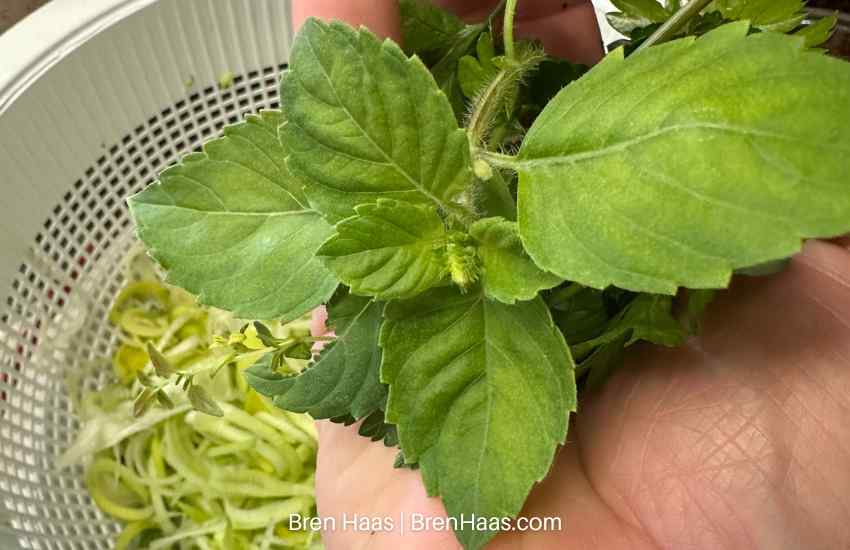
Blue Spice Basil
Blue Spice Basil Heirloom From Seed

Basil seeds are my top choice for an indoor hydroponic setup. These seeds need light to germinate, so be sure to sow them directly on the surface of your preferred medium, whether that’s a sponge in hydroponics or a seed starting mix. The optimal soil temperature for germinating basil seeds is 50 degrees Fahrenheit. Keep in mind that germination times can vary significantly, ranging anywhere from 5 to 42 days.

Marigold

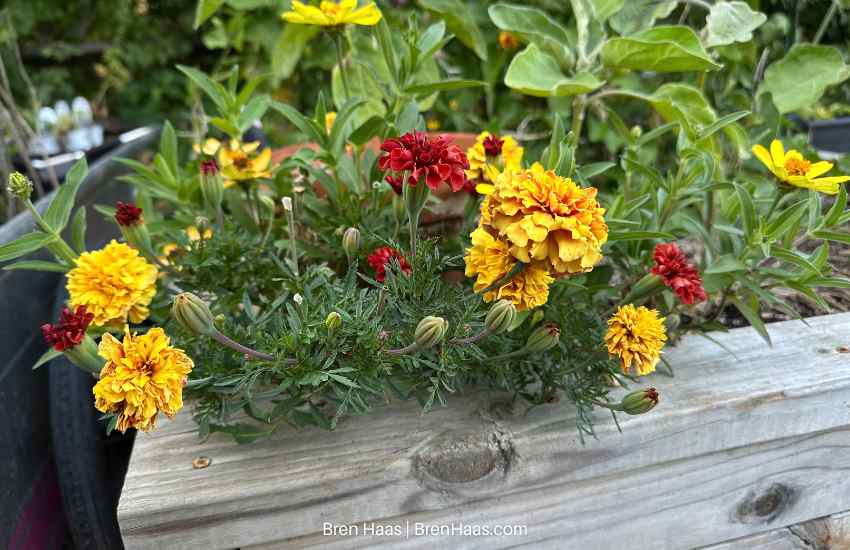
Strawberry Blonde Marigold Grown From Seed in Raised Bed
Strawberry Blonde Marigold I grew From Seed in Greenhouse

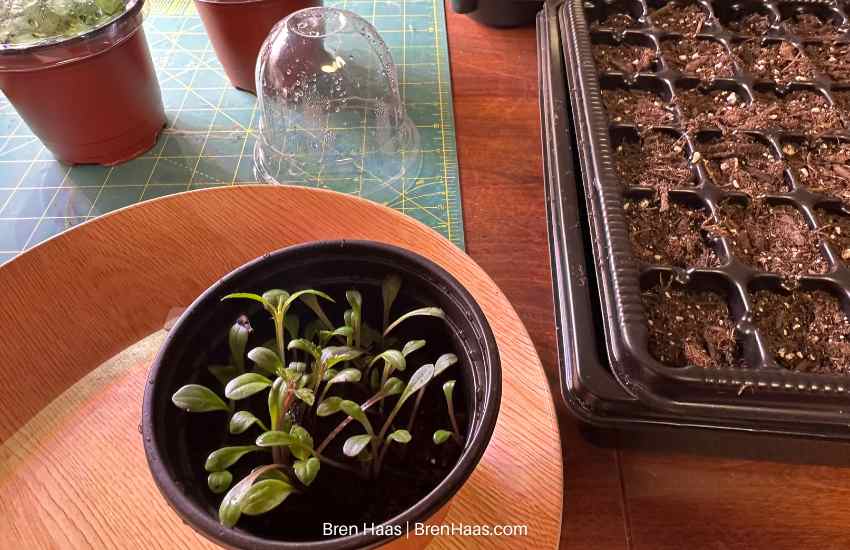
One of the final seeds I sow in my greenhouse is marigolds. When planting marigold seeds, place them on the soil surface of the seed-starting container, ensuring that a small portion of the black tip is inserted into the soil. Always water marigold seedlings from below, as they are prone to damping off. The average germination time is about 4 days if started in a well-lit area, such as a greenhouse or under grow lights, approximately 3-4 weeks before the last frost.

Calendula

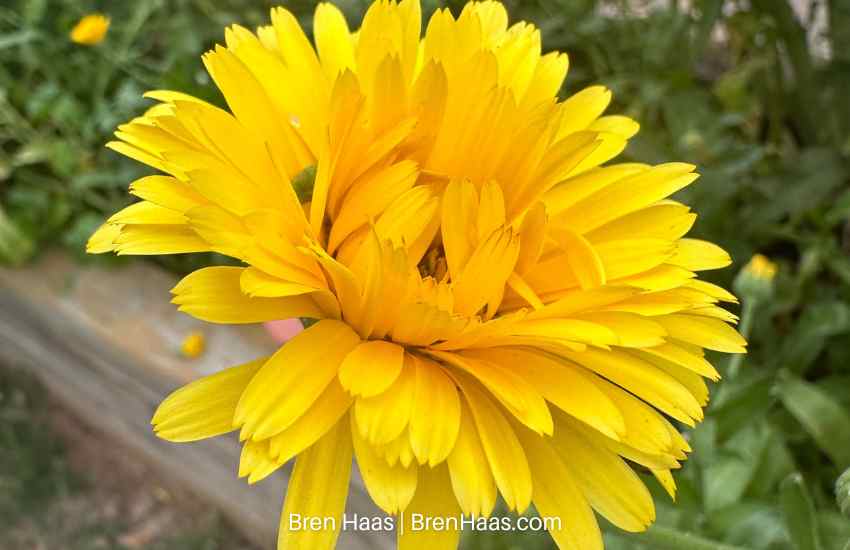
Calendula Bloom Yellow
Beautiful Blooms all Summer and Fall

Calendula seeds require darkness for germination, so be sure to use a container that can be easily covered. They thrive in soil temperatures around 70 degrees, making a heat mat ideal for indoor sowing if you plan to direct sow these seeds in your seed-starting flats for larger plants. I have successfully direct-sown Calendula in the soil outdoors during the late spring months. Plant the seeds ¼ inch deep, and expect germination to occur in 6 to 10 days. It’s crucial not to allow the soil to become too dry while the seeds are germinating.

Snapdragon
These seeds need both light and cool temperatures to germinate, making them perfect for winter seed sowing—especially for those without grow lights. Start by sprinkling a thin layer of vermiculite over your seed starting mix. Next, sow the seeds directly on top of the vermiculite. Always water from below to prevent the seedlings from damping off. On average, germination takes between 10 to 21 days.

Celosia

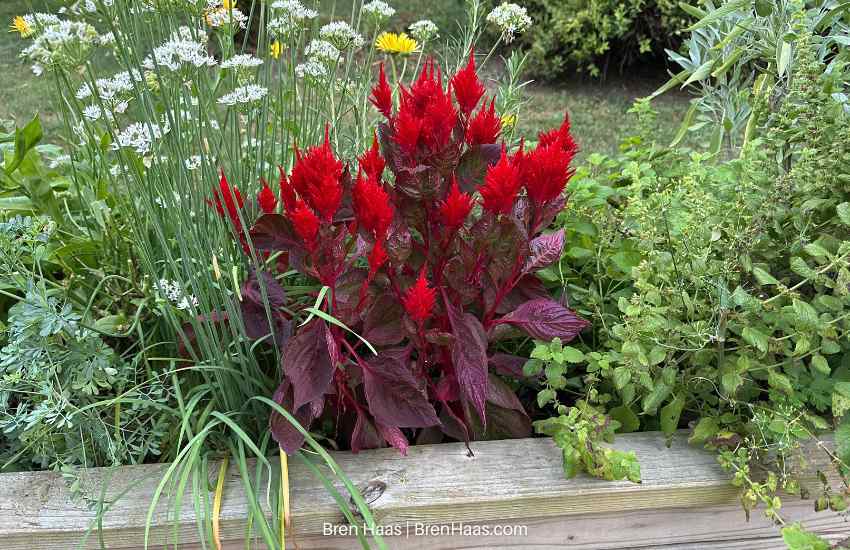
Celosia from seed in herb garden border
Celosia Loves The Heat and Dry Weather in July

Celosia plants, also known as cockscomb, are admired for their vibrant, plume-like flowers, which can add a burst of color cut flower arrangements and landscape gardens. Directly sow the seeds on top of your seed starting mix, as they need light for germination. The average germination time ranges from 6 to 14 days. Celosia prefers warm temperatures and thrives in well-drained soil with plenty of sunlight. Once established, these resilient plants require minimal maintenance and can tolerate drought conditions, making them an excellent choice for both novice and experienced gardeners.

Dianthus

To sow Dianthus seeds, simply scatter them across the soil’s surface and lightly cover them with either vermiculite or a seed-starting mix. For the best germination results, keep the soil temperature between 60 and 70 degrees Fahrenheit. Generally, you can anticipate the seeds to germinate within 10 to 21 days. Exercise a bit of patience – these plants are worth the wait, as they will return to your garden year after year once established.

Let’s Connect

I would love to hear from you so be sure to leave a comment in the space provided. I share a little of my growing experience on social media but it is best to contact me on my website.  I share more about the products I use and recommend along with the seed varieties I grow right here! In conclusion of reading this post make this your best growing year EVER!

Happy Gardening,

Bren Haas Website

Leave a Reply

Your email address will not be published. Required fields are marked *

Healthy Holiday Season
Author and Media Creator
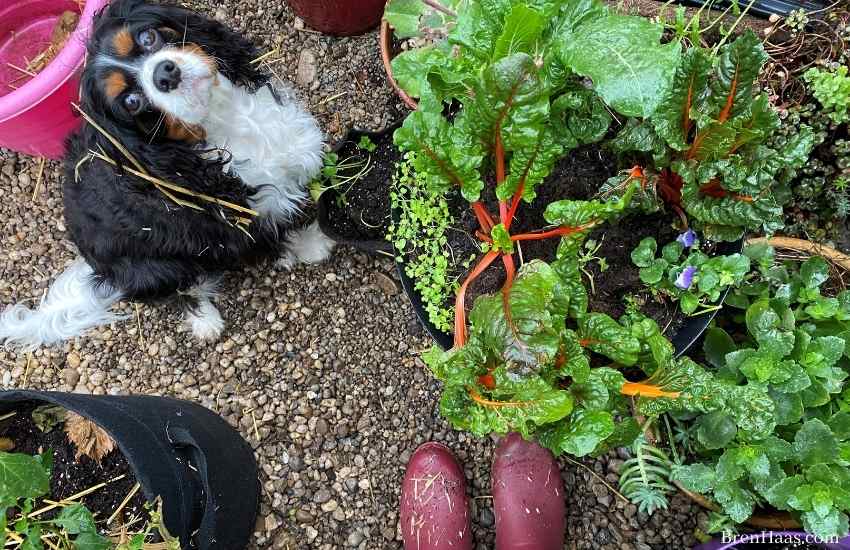
Oliver and the Vegetables in the Dome
Join Me and Oliver in The Garden
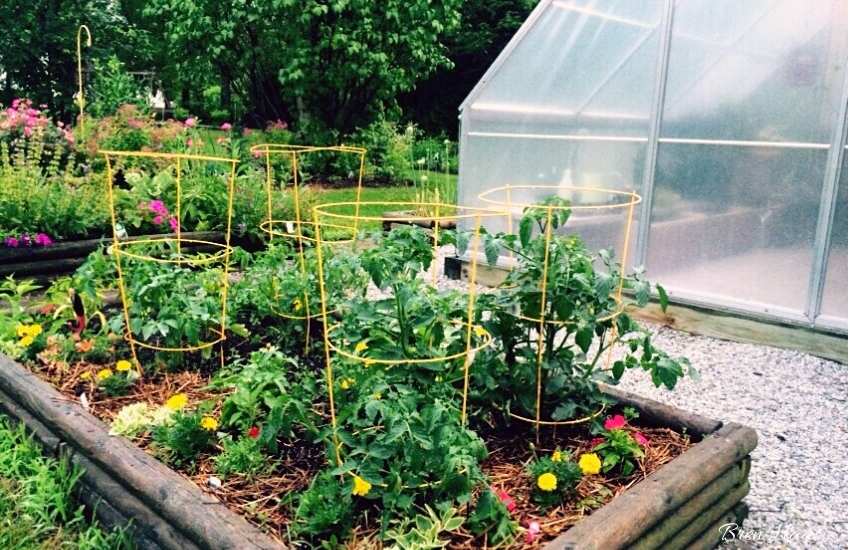
raised bed with greenhouse
Edible Gardening Ideas
dome garden in winter woods
Growing Year-Round in Ohio

More Topics 

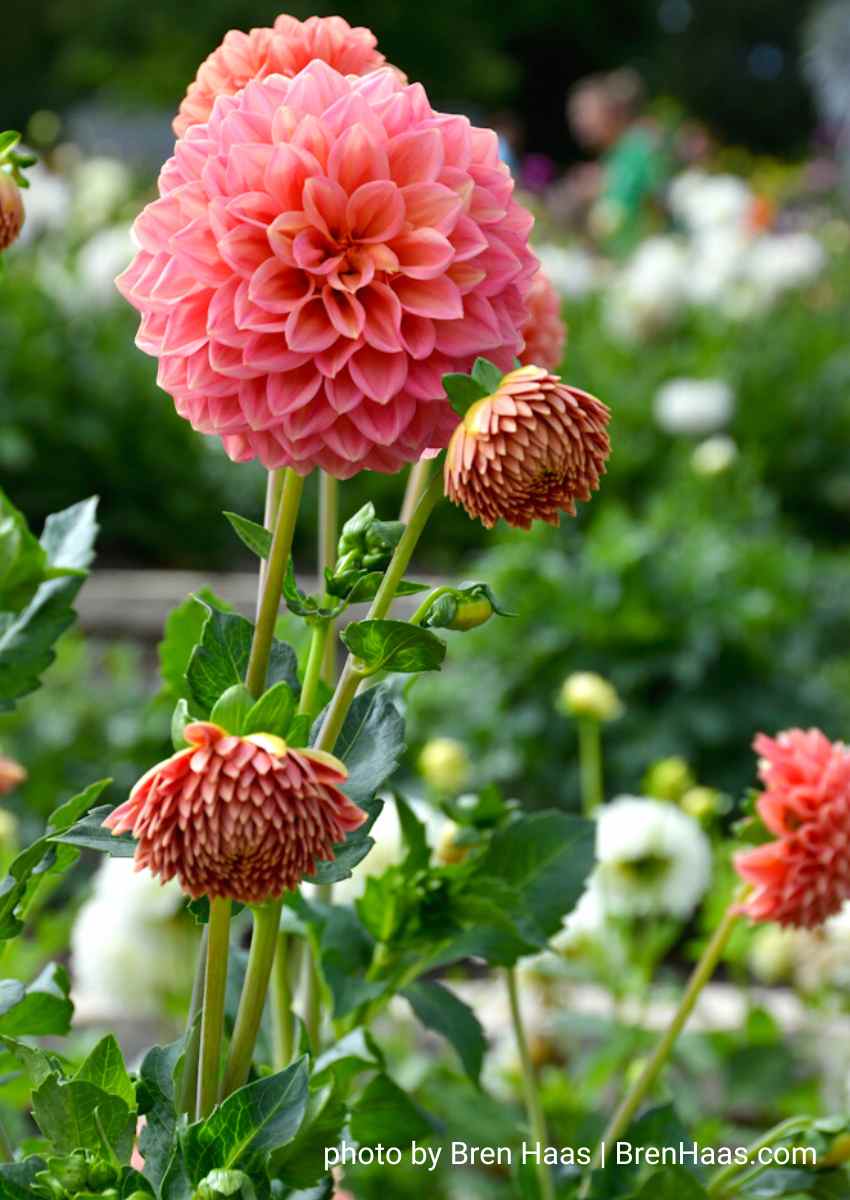
Dahlia Pink in Full Bloom
Everything Dahlia

All content and photographs are copyright protected. Using content including but not limited to photos, posts and text without written permission is prohibited. Pinning or sharing on social media is encouraged but please ask permission before using any content from my blog for any other reason. © 2007-2025  BrenHaas.com All Rights Reserved.

This website uses cookies to ensure you get the best experience during your visit.